

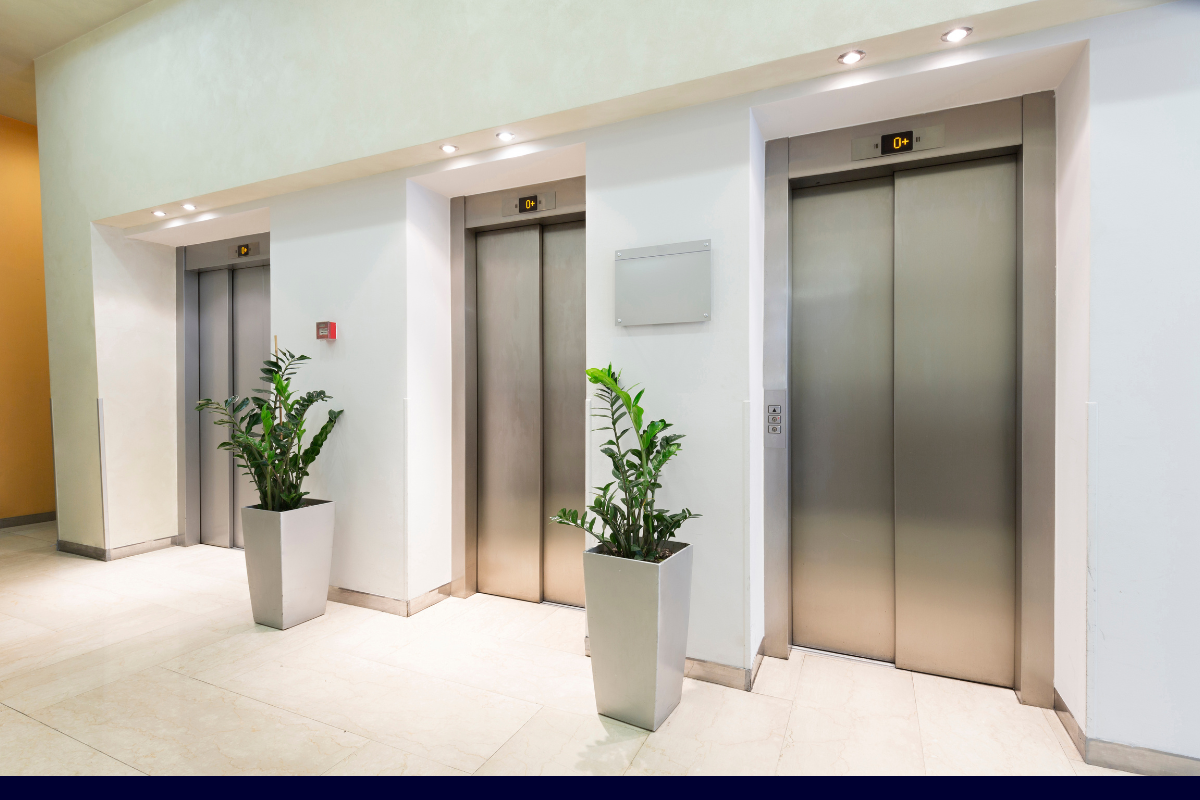
Lifts are essential in vertical living. They support daily movement, provide access for residents with mobility needs, and are among the most valuable assets in any strata community. When a lift is well-maintained, it keeps the building running smoothly and supports the comfort and well-being of everyone who lives there.
Here are the basics you need to know to keep your building moving:
Strata/building manager responsibilities
Strata and building managers play an important role in overseeing lift performance. Their responsibilities often include engaging accredited lift maintenance providers, keeping service contracts current, coordinating access for technicians and keeping detailed records of all maintenance, repairs and compliance activities. This shared oversight helps ensure the lift remains safe, reliable and fully operational.
The essential requirements for your lift
Every lift must meet core safety and compliance standards to remain legally operable and safe for residents. These include:
- Annual inspection and testing to confirm the lift meets safety compliance requirements
- Reliable phone and light operation during a power outage.
- An active phone line for emergency communication.
Your annual levies should also allow for both routine servicing and unexpected repairs. This work must be carried out by a contractor who is fully qualified and accredited to service the specific make and model of your lift.
Reporting repairs and maintenance early
Early reporting is essential and one of the simplest ways residents can support their building’s health. Even small changes, such as unusual noises, slow or uneven door movement, jolting or intermittent faults, can indicate a developing issue. Reporting concerns promptly helps prevent minor problems from becoming major disruptions and reduces the likelihood of costly repairs. You can easily lodge a request by clicking here.
Lift registration
All lifts must be registered with SafeWork in the state in which they operate and remain compliant through ongoing inspections and maintenance. Staying compliant not only avoids penalties but also ensures the lift remains safe and legally operable.
- QLD – https://www.worksafe.qld.gov.au/licensing-and-registrations/plant-registration
- NSW – https://www.safework.nsw.gov.au/licences-and-registrations/plant-registrations/plant-item-registration
- VIC – https://www.worksafe.vic.gov.au/plant-and-equipment-design-registration-or-alteration
- ACT – https://www.worksafe.act.gov.au/licensing-and-registration/plant-registration
Lift upgrades
Lift upgrades are a normal part of strata living. As lifts age and standards evolve, upgrades may be required to maintain safety, improve performance and ensure compliance with current regulations. Planning for these works early helps reduce disruption and supports the long-term value of the building.
Risk with non-compliance
Failing to maintain or repair a lift can create serious risks and inconvenience for residents. Prioritising routine servicing and early reporting helps to:
- Increase reliability and reduce unexpected breakdowns
- Maintain regulatory compliance and avoid penalties
- Extend the lifespan of one of the building’s most significant assets
- Prevent emergency callouts and costly repairs
- Improve safety and operational efficiency for the whole community
For more information, contact your strata or building manager, who can guide the committee on appropriate budgeting and contractor selection.