

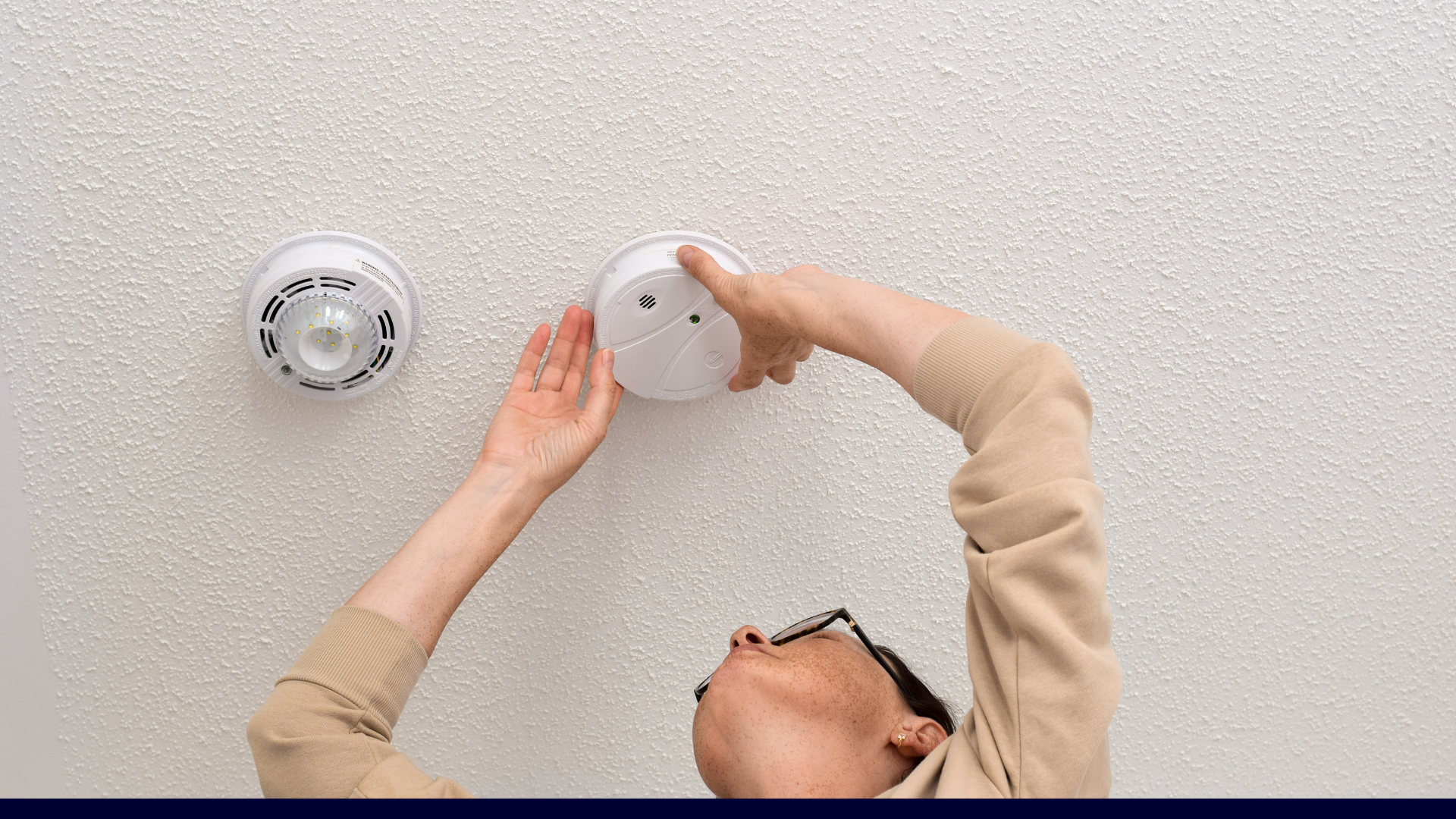
At Bright & Duggan, we are committed to supporting our clients in preparing for the upcoming 2027 changes to interconnected smoke alarm legislation across Queensland.
If you are an investor, owner or body corporate you need to know how to comply.
Understanding Queensland’s Updated Smoke Alarm Requirements
Queensland’s strengthened smoke alarm legislation has been progressively introduced to improve fire safety across all residential properties. These changes are now well underway, with requirements already in place for new builds, renovations, and properties being sold or leased. The focus is now on ensuring all remaining homes meet the final stage of these requirements.
What applies now
Across Queensland, compliant homes are expected to have:
- Photoelectric smoke alarms only, as older ionisation alarms are no longer permitted
- Interconnected alarms, so when one activates, they all sound
- Alarms that are hardwired or fitted with a non-removable 10-year battery
- Coverage throughout the home, including:
- Every bedroom
- Hallways connecting bedrooms
- Every level of the dwelling
Alarms must also meet Australian Standard AS3786-2014, be less than 10 years old, and be correctly installed.
Why these changes matter
These requirements significantly improve early warning in the event of a fire. Interconnected alarms are particularly important, as they ensure occupants are alerted immediately, even if a fire starts in another part of the home, such as a living area or during the night.
Responsibilities in strata properties
- Lot owners are responsible for smoke alarms within their own unit
- Bodies corporate are responsible for fire safety systems and alarms on common property
While responsibilities are separate, a coordinated approach supports the safety of the entire building and helps reduce overall risk.
Ongoing maintenance and compliance
Residents should:
- Test alarms regularly and keep them clean
- Replace alarms that are over 10 years old or not functioning
- Ensure alarms are installed in all required locations
- Keep records of installation, servicing and compliance
For rental properties, smoke alarms must also be checked prior to new or renewed tenancies.
Risks of non-compliance
Non-compliance can lead to:
- Fines or enforcement action
- Delays or complications during property sales or leasing
- Insurance issues, including reduced or denied claims
- Increased safety risks for occupants
Practical next steps
If you are unsure whether your home meets the current requirements:
- Arrange a review of your existing smoke alarms
- Upgrade any non-compliant or outdated systems
- Confirm alarms are correctly positioned and interconnected
- Retain documentation as proof of compliance
Ensuring your home is compliant is not just a regulatory requirement but a critical step in protecting residents and strengthening community safety.
If you would like more information on what these changes mean for your building, or access to additional resources or providers, please contact your Bright & Duggan manager.